UK availability guide
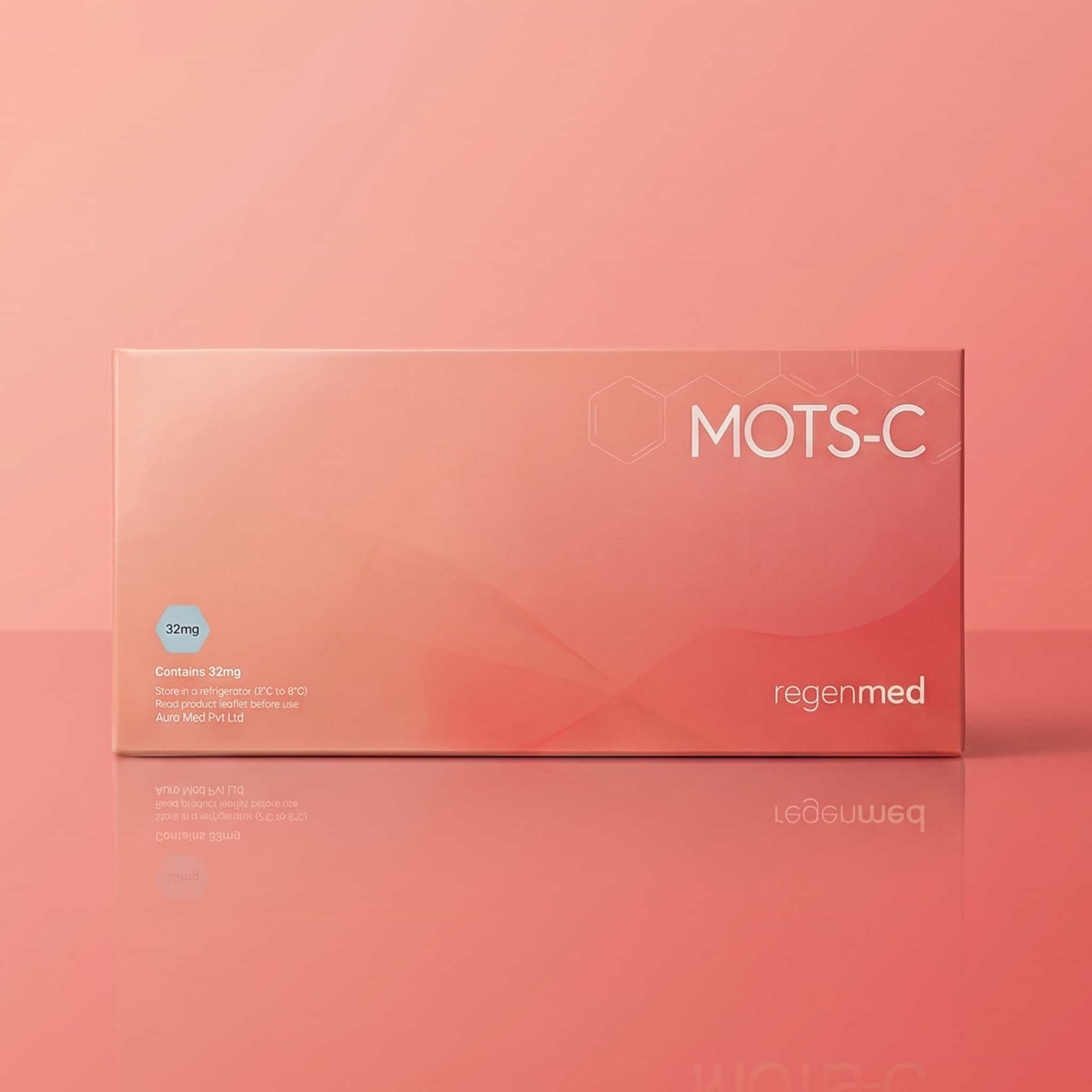
MOTS-c in the UK: the mitochondrial peptide explained
MOTS-c is the best-known of the mitochondrial-derived peptides — a compound encoded by mitochondrial DNA itself, and a fixture of metabolism and longevity research. This page covers what MOTS-c is, why it's studied, and UK research-grade availability. For laboratory research use only.
Mitochondrial-derived peptide
Encoded within the mitochondrial 12S rRNA gene — studied as a mitochondria-to-nucleus signalling molecule.
Third-party tested
Independent verification of identity and purity on every batch, with certificates of analysis available.
Tracked UK delivery
Same-day dispatch before cut-off with tracked delivery in temperature-controlled packaging.
MOTS-c in published research
MOTS-c sits at the centre of a young but fast-growing research field: peptides encoded by the mitochondrial genome that appear to act as systemic signalling molecules. Studies have examined its role in AMPK pathway activation, insulin sensitivity in muscle tissue, and exercise-induced expression — including human data showing circulating MOTS-c rises with acute exercise. In ageing research it is studied alongside NAD+ metabolism, which is why the two compounds frequently appear in the same research programmes.
For the wider context, see our blog articles on mitochondrial-health research and NAD+ and cellular ageing.
Mitochondrial & longevity research compounds
MOTS-c and NAD+, supplied for laboratory research use with batch-level third-party testing and certificates of analysis available.

Frequently asked questions
What is MOTS-c?
What is MOTS-c?
Why is MOTS-c studied in exercise and metabolism research?
Why is MOTS-c studied in exercise and metabolism research?
Is MOTS-c legal to buy in the UK?
Is MOTS-c legal to buy in the UK?
Is RegenMed MOTS-c third-party tested?
Is RegenMed MOTS-c third-party tested?
Related reading
All products sold by RegenMed are supplied strictly for laboratory research purposes only and are not for human consumption. Nothing on this page is medical advice, and no statement has been evaluated by the MHRA or FDA. Content summarising published research is provided for educational purposes.